Chain charter for tour operators
A series is a different commercial proposition from a single flight.
The margin lives or dies on the rate you agreed in January and the reliability you get in August.
Capacity is committed for a season and the schedule repeats, so a decision taken once is a decision you live with for months.
From capacity to a schedule you can sell.
- 01 Source the capacity For the whole programme rather than flight by flight, from operators that want a series and can carry one.
- 02 Negotiate the series rate On the terms that matter over a season, not only on the headline hourly figure.
- 03 Build the schedule Around your departure days and turnaround times, so the rotation holds when a day runs long.
- 04 Verify the commitment That the operator can hold it for the whole season rather than the first four weeks.
What we look at that a single flight never raises.
Who we work with
Travel companies and tour operators of every size, tourism regions and destination marketing organisations, and companies running recurring shuttle programmes for their own staff.
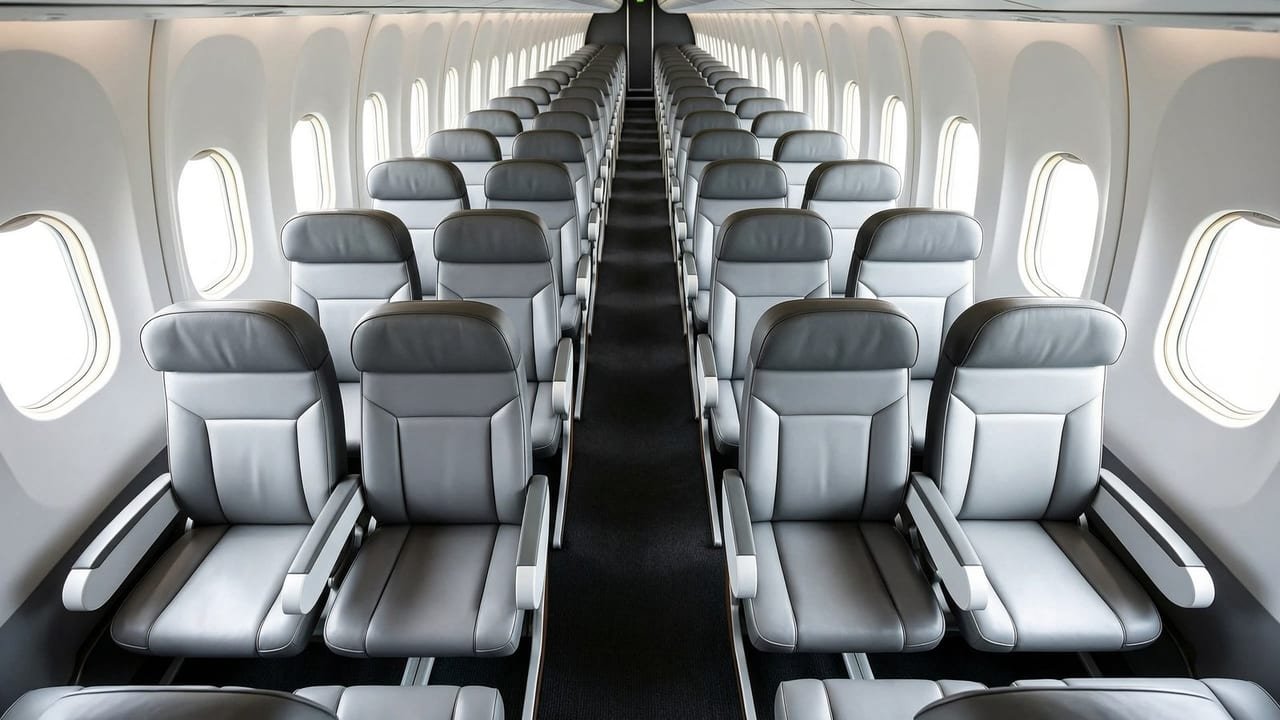
The same rotation, week after week, for a whole season.
Which is exactly why the operator is chosen once and checked properly.
Why brokers earn their keep here
A series concentrates risk in a single counterparty for months at a time. Choosing that counterparty well is worth considerably more than the last few hundred euros on the hourly rate.
Which is why we will tell you when the cheapest offer on the table is the one we would not sign.
Roger Hohl handled chain and ad hoc charter programmes at the Austrian carrier InterSky, which is where the questions on this page come from.
What we negotiate besides the hourly figure.
A series concentrates months of risk in one counterparty. Every line above is worth more over a season than the last few hundred euros on the rate.
Before you commit a season.
How early does a series need to be placed?
The earlier the commitment, the better the rate, because the operator is buying certainty from you as much as you are buying capacity from them. Programmes for a summer season are normally agreed over the preceding winter.
What do you need from us to quote?
Departure days, the season length, the route or routes, expected loads, and the turnaround time you need at the far end. That is enough for a first indication.
What happens when an aircraft goes technical mid season?
That is exactly what we check before you sign, and why fleet depth behind the commitment matters more than the rate. The recovery obligation and the time it has to happen in are part of the contract we negotiate, not a goodwill question on the day.
Can we change the schedule during the season?
Within the terms agreed at the start. We make sure those terms exist and are specific, because a change requested against a contract that is silent on changes is a change negotiated from a weak position.
Will you ever advise against the cheapest offer?
Yes, and we will say why in writing. An operator we would not sign with does not go into your comparison at all, and we tell you that it happened.
Discuss a programme.
Departure days, season length and expected loads are enough to start.